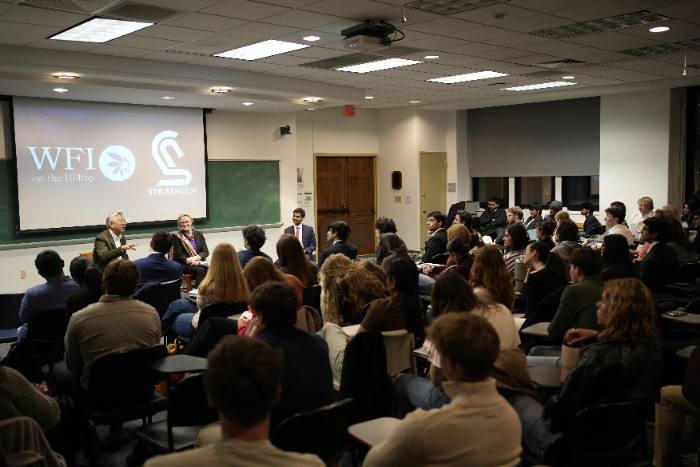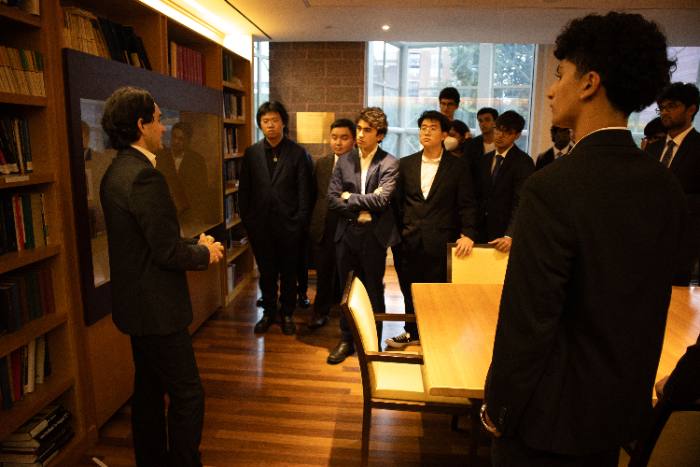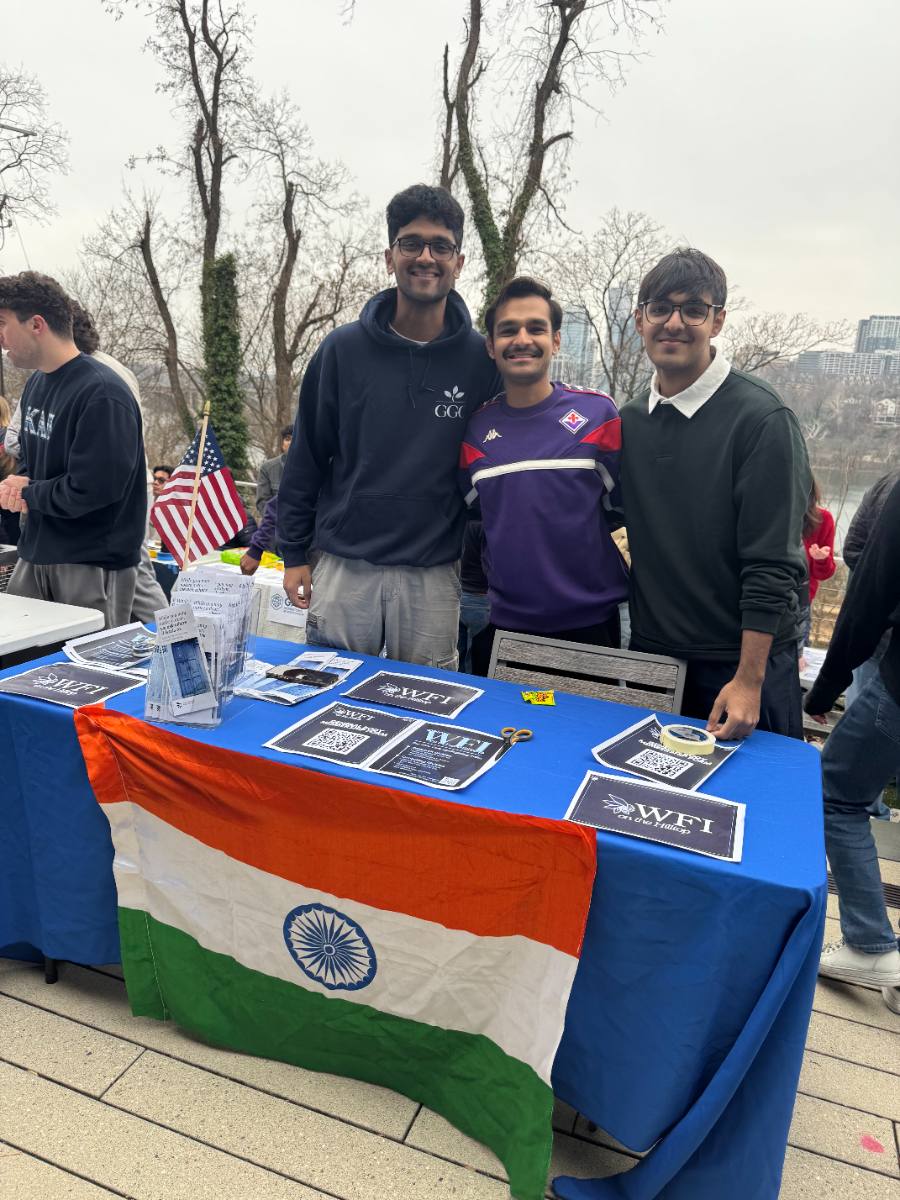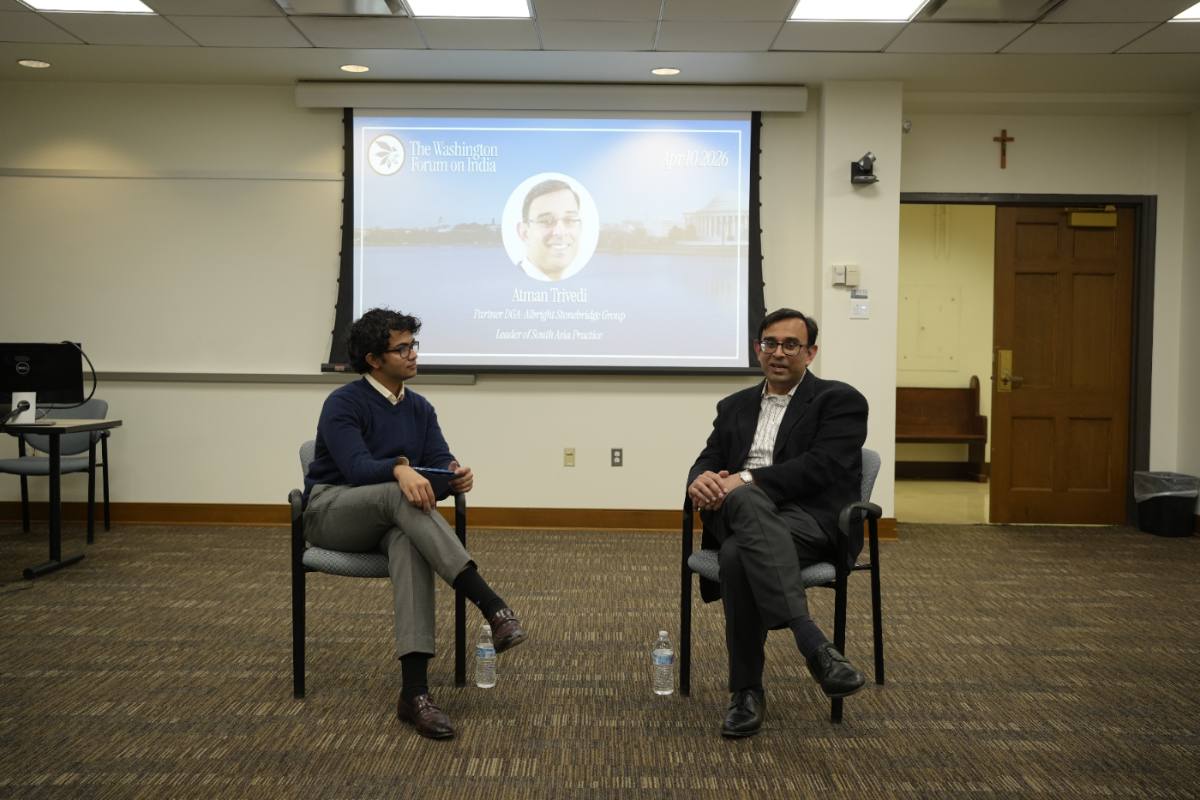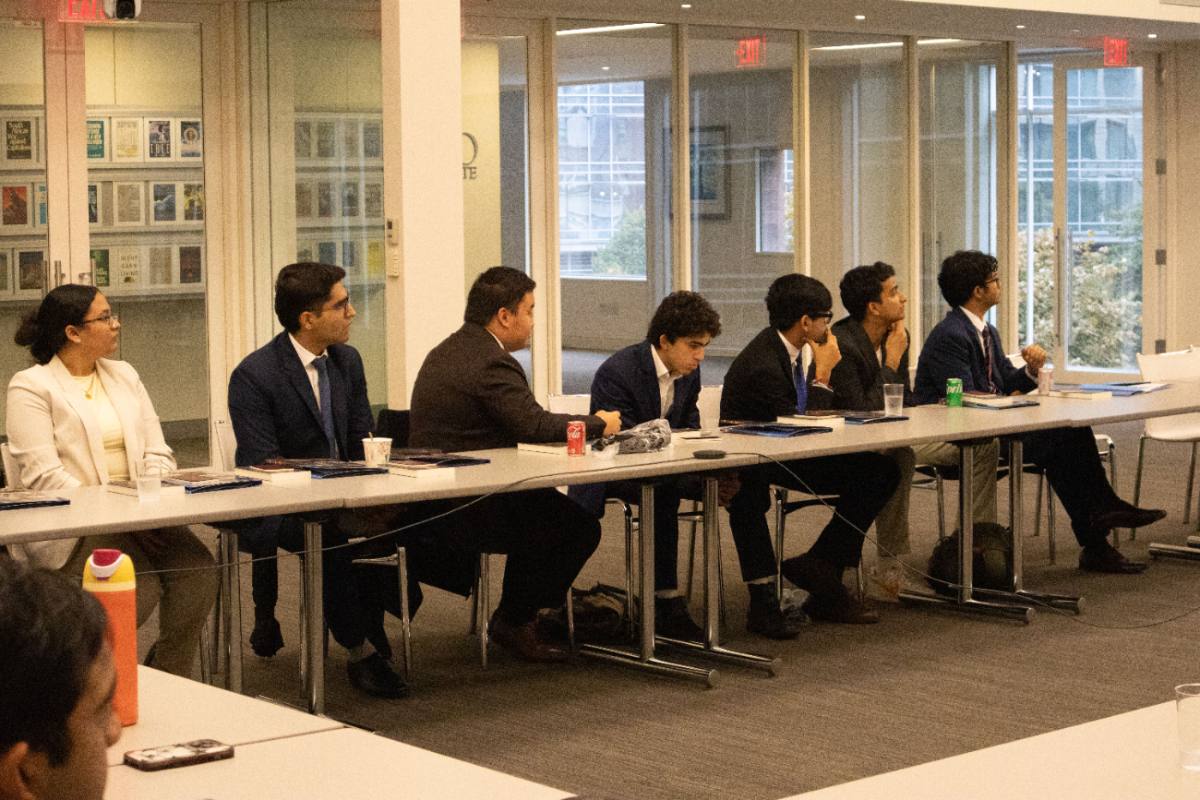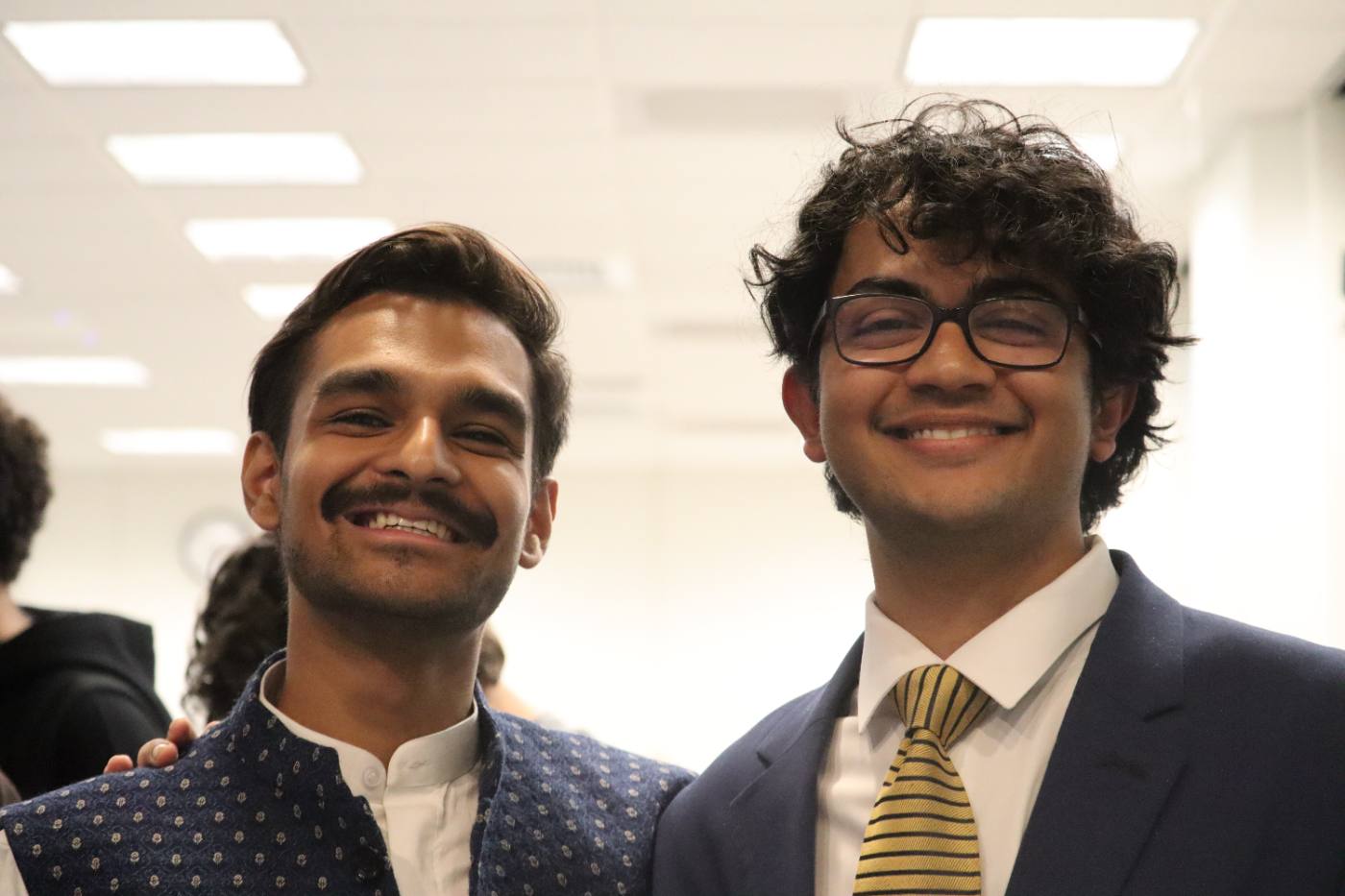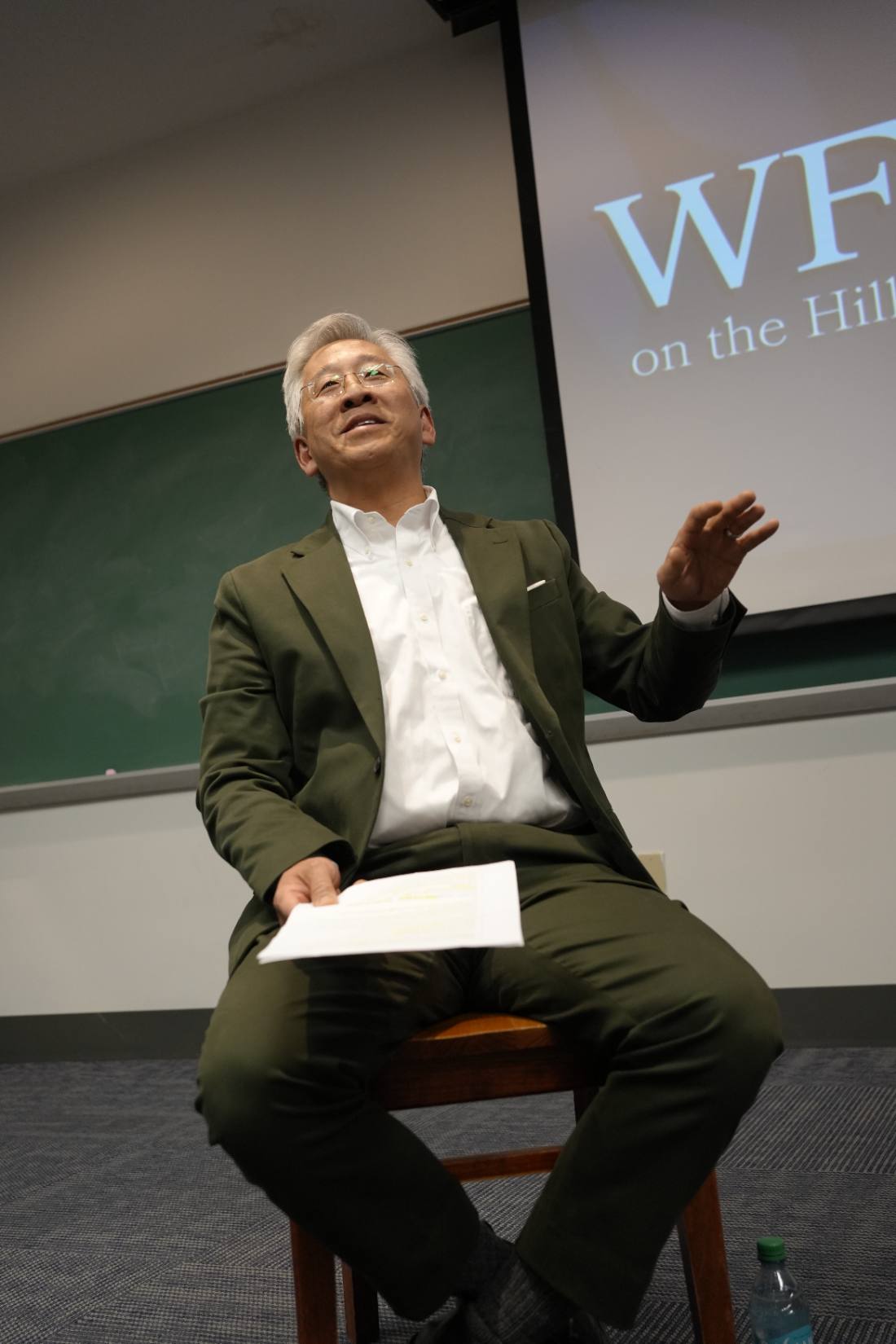
Applications are open at Georgetown, GW, and Cornell.
Apply to the chapter at your university. Each chapter recruits for its research cohort, advisory teams, and marketing team, and reviews applications on its own calendar.
The Georgetown, GW, and Cornell forms are open now; Brown's opens shortly. You can also write to a chapter chair directly, or start a chapter at a university that does not have one yet.
Strategy and research for cross-market growth and stronger local communities.
WFI is a student-run strategy and management advisory. We help organizations navigate the U.S.–India corridor, and help businesses and nonprofits grow in the communities our chapters call home.
U.S.–India Corridor Advisory
We support organizations evaluating entry, expansion, investment, or partnerships between India and the United States. Engagements can examine market demand, competitors, location choices, policy exposure, regulatory pathways, sourcing, stakeholder landscapes, channels, and execution risks.
For startups, established firms, investors, and institutions operating across the corridor.
Community Advisory
Our chapters work with local businesses, nonprofits, accelerators, and growth organizations across Washington, D.C., Rhode Island, and New York State. Projects focus on practical questions involving revenue, customers, marketing, partnerships, internal operations, and performance.
For organizations building durable roots in the communities where WFI operates.
What we work on
Market Entry & Investment Research
Research for organizations evaluating where, when, and how to enter or expand across the U.S.–India corridor. Teams may compare demand, competitors, incentives, locations, regulatory pathways, suppliers, partners, and implementation risks.
Representative work has included state comparisons for a U.S. manufacturer evaluating India, and research for an Indian industrial company considering U.S. expansion.
Growth, Sales & Marketing
Commercial research and planning for organizations seeking new revenue sources, clearer customer segments, stronger sales pipelines, more effective outreach, or a sustainable route to market.
Deliverables have included sales-growth plans, audience and customer research, marketing plans, partnership opportunities, and practical implementation calendars.
Operations & Performance
Internal reviews that help organizations understand how work, information, and resources move through the business — and where clearer processes, ownership, measurement, or operating discipline may help.
Work has included internal financial diagnostics, operating-process reviews, performance frameworks, workflow realignment, and recommendations for more consistent execution.
Policy, Regulatory & Stakeholder Research
Evidence-based research into policy changes, regulatory pathways, procurement structures, stakeholder ecosystems, and sector conditions that affect a strategic or commercial decision.
Teams have completed research supporting investment decisions and developed white papers and strategic analysis for industrial and institutional audiences.
Selected experience
Clients are described by organization type and question. We do not publish client identities, work products, or engagement details.
Industrial Market Entry
Supported an Indian industrial manufacturer evaluating expansion into the United States through research on regulatory openings and the operating implications of location, land, and labor choices.
Defense-Related Manufacturing
Supported an established Indian manufacturer exploring a specialized defense market through procurement research, channel analysis, competitive benchmarking, and a strategy white paper for an industrial-chamber audience.
Investment Research
Prepared executive research for a U.S.-based investment organization examining how major tariff and legislative changes could affect advanced manufacturing, data infrastructure, and defense-related opportunities.
India Location Strategy
Compared Indian states for a U.S. manufacturer using factors including incentives, permitting, supplier depth, labor, compliance obligations, sourcing, and landed cost.
Health & Life Sciences
Supported pharmaceutical and medical organizations on confidential market, growth, and operating questions. Engagement details are not disclosed.
Community Organizations
Worked with local businesses, accelerators, and nonprofits on sales growth, marketing, internal financial review, partnerships, and operational alignment.
The right project team is not limited by campus.
WFI can staff engagements across Georgetown, George Washington, Brown, and Cornell. This gives each project access to a network of more than 40 students with different academic backgrounds, sector interests, and local perspectives across the East Coast. Cross-chapter teams also allow members to collaborate beyond their own universities, while clients receive a team shaped around the problem — not a single campus.
How we work
A typical WFI engagement runs over an academic semester. Each project is led by a project manager and staffed by three to five consultants selected according to the question, sector, and research needs. Teams may draw members from multiple chapters, and each project manager reports through the relevant chapter leadership structure.
At the outset, WFI and the client agree on the central questions, scope, working cadence, and expected deliverables. The team then develops the research, analysis, and recommendations in direct conversation with the client.
Define
Agree on the decision, problem, scope, and deliverables.
Staff
Build a project team across WFI chapters according to need.
Investigate
Conduct research, analysis, interviews, and working sessions appropriate to the scope.
Deliver
Present the final work product and practical recommendations at the end of the engagement.
Sector-flexible. Scope-specific.
We assemble teams around a defined question rather than claim unlimited expertise across every industry.
Clear scopes. Serious work. Honest limits.
WFI engagements are student-led. We work from defined questions, use source-traceable research, and do not publish client identities or project details without permission. Our work supports strategic and management decisions; it is not a substitute for legal, accounting, medical, regulatory, or investment advice.
Common questions
Who works on an engagement?
Each project is led by a project manager and usually staffed by three to five student consultants. Depending on the project’s needs, the team may include members from multiple WFI chapters.
How long does a project last?
A typical engagement runs for one academic semester. The exact schedule and milestones are agreed during scoping.
What organizations does WFI work with?
We primarily support small businesses, startups, nonprofits, accelerators, and other organizations that can benefit from a focused student team. We may also work with established companies or investors when the engagement has a clearly defined research or strategy question.
What can a project produce?
Deliverables vary by scope and may include market-entry research, investment research, sales or marketing plans, internal financial diagnostics, operating recommendations, stakeholder maps, policy analysis, AI agents, or white papers.
Does WFI publish client work?
No client identity, work product, or engagement detail is published without permission.
Does WFI provide professional legal, accounting, regulatory, medical, or investment advice?
No. WFI provides student-led research and strategy support. Clients should use appropriately licensed professionals for regulated advice.
Tell us what you are trying to enter, grow, or solve.
Discuss a projectTell us about the project.
A few lines is enough to start. We will reply with what we can do, what we cannot, and a scope if there is a fit.
Email us directly at tanyasyed@uchicago.edu (Tanya Syed, Commissioner for the Consulting Wing).
Get involved in the U.S.–India story.
Start a chapter at your university, join one that already exists, or write for Patrika. Every path begins with an email — tell us which one you want and we will reply with next steps.
Start a chapter
There is no chapter at your university yet. Write to us with your school, your year, and what you would want the chapter to work on. We run through the founding process with you: chair and operations roles, first cohort, and the programming calendar, and we support you throughout.
Join a chapter
Four campuses are running. If applications at your campus have closed, reach out to the chapter chair directly — they handle recruitment for the research cohort, advisory teams, and events.
Write for WFI
WFI publishes work from any chapter, and from guest writers outside the Forum — students at other universities, think tank researchers, and practitioners. Pitch a shorter essay for the Substack, or a long-form piece for consideration in Patrika.
Editorial specificationsWhat you actually get out of it.
Client work, not simulations
Advisory teams are staffed with students and deliver written work to real businesses entering the U.S. or Indian market. You leave with a scoped deliverable you can talk about in an interview.
Your name on the record
Patrika and the Substack are edited and published under your name, with pieces reviewed by the editorial team before they run.
Two capitals, one network
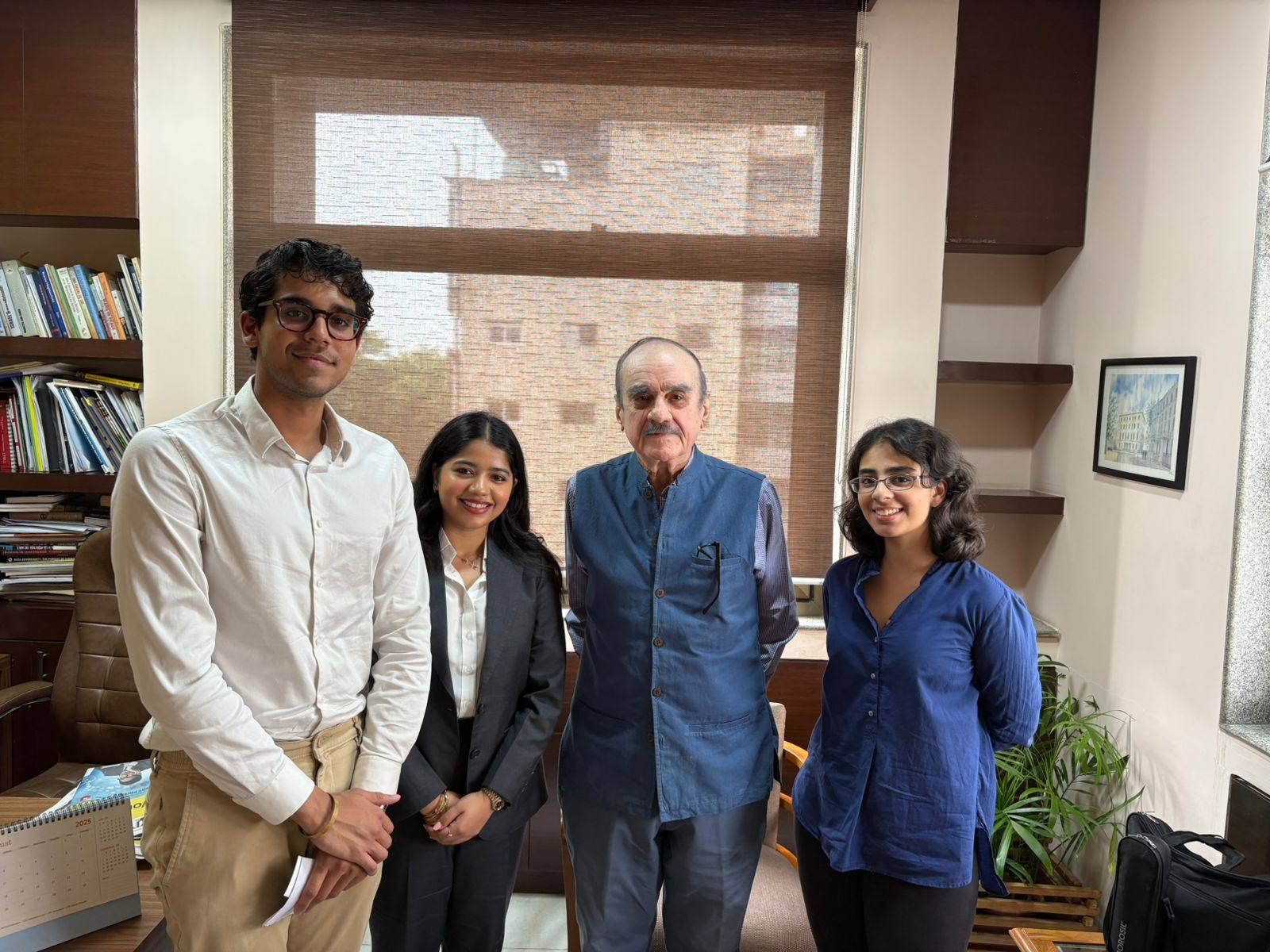
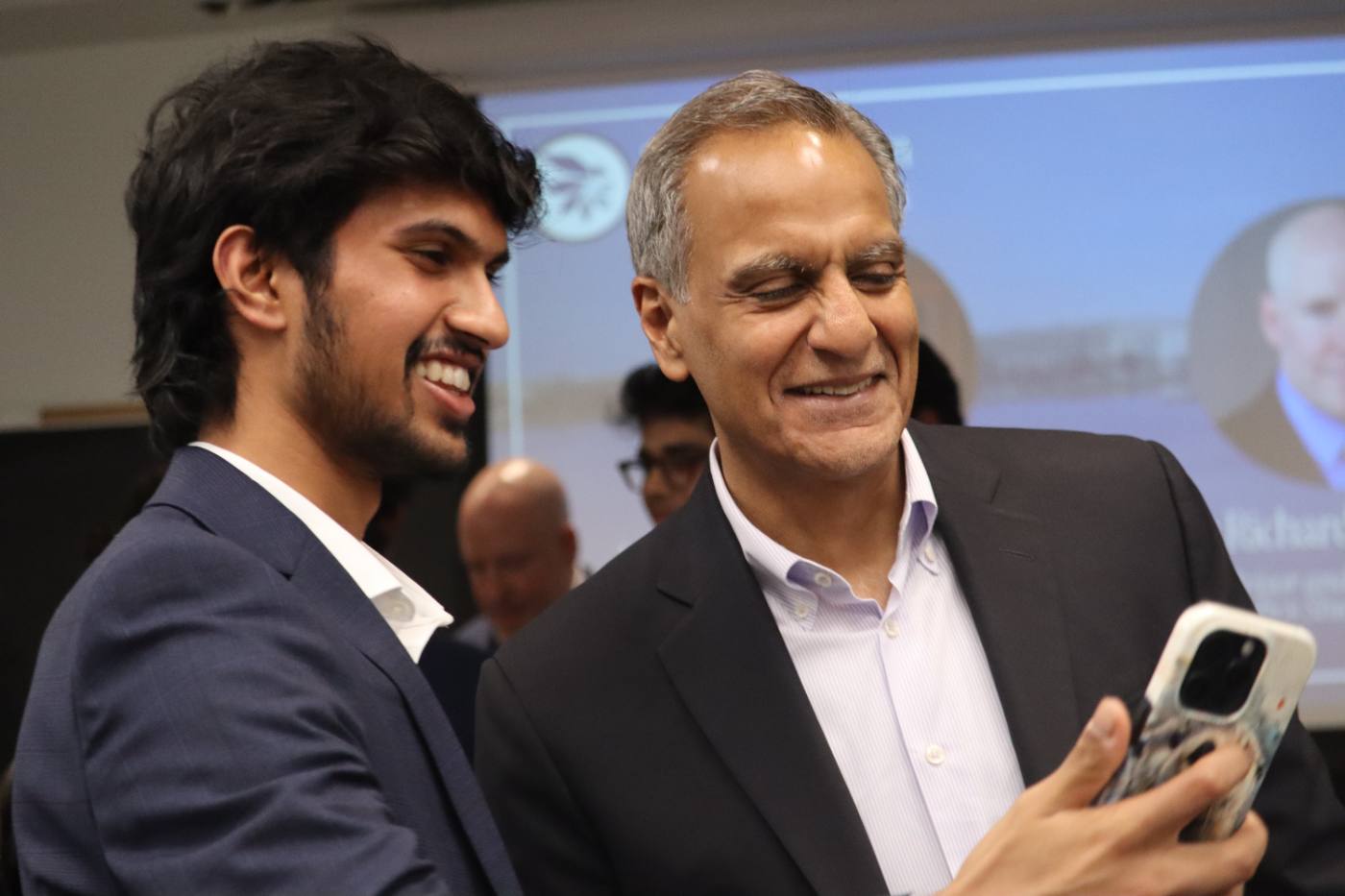
Members meet practitioners on both sides of the corridor — former ambassadors and officials in Washington, and companies, journalists, and retired officers in New Delhi through our delegation visits.
Introductions that lead somewhere
Where a member's interests line up with an organization we work with, we make introductions that last a lifetime.
No chapter at your university and not ready to start one? You can still attend another chapter's events and pitch to Patrika — contributors come from any chapter, and from outside the Forum.
Contribute to Patrika
Business Advisory
Engagements with micro, small, and mid-sized enterprises working the U.S.–India corridor. Team size varies by project, and while most engagements run one semester, some phase across several. Deliverables are whatever the client's project calls for — a written analysis, an AI agent, something else entirely. Consultants are cross-staffed across chapters, so every engagement carries people who know both the U.S. and the India side of a given industry. Deep dive briefings on new laws and developments across the corridor run for the whole track.
Research
Every article accepted by the editorial team, after its review rounds, is published on the Substack; select long-form pieces additionally run in Patrika, the flagship journal. Every researcher publishes at least one piece each semester, a standard that holds across every chapter's cohort. Regular writing sessions run alongside the work — craft coaching and guidance on what is worth writing about — the research parallel to consulting's deep dives.
Marketing
Campaigns that grow WFI's presence on campus, event partnerships carried forward, promotion for what the chapters run, and design support for the other two tracks. Everything is produced within the brand guidelines, which are set so four chapters read as one Forum. Requests come in from all four chapters, so the calendar is national even when the work is local. Marketing members get their own onboarding into those guidelines, which set the frame and leave the idea open.
A consulting engagement, start to finish.
Client acquisition, scoping, and staffing sit with the directors; execution sits with the project manager and the team.
The editorial chain.
Nothing runs under the WFI name until it has been through every step.
Applications for the coming cohort are open.
Who can submit.
This is an external submission process. WFI members and contributors outside the Forum are both welcome.
Eligible for Patrika
Our journal, published semesterly. Long-form pieces are considered for the next volume.
Eligible for the Substack
Published on a rolling basis. No deadline — send a piece whenever it is ready.
Who Builds India's Infrastructure of Opportunity?
Examining the individuals, institutions, and systems that shape who gets access to education, employment, mobility, security, and representation in India.
Articles do not need to address this theme to be published. Any topic pertaining to India is welcome.
Requirements.
What happens after you submit.
We may ask for a short call before reviewing, to talk through the argument.
WFI publishes original, well-cited work only. Authors may use AI tools for research or ideation, but not to generate the writing itself. There is zero tolerance for plagiarism.
The full packet carries the theme, deadlines, standards, the AI and plagiarism policy, a primer on writing about India, and the complete citation guide.
Download full submission packet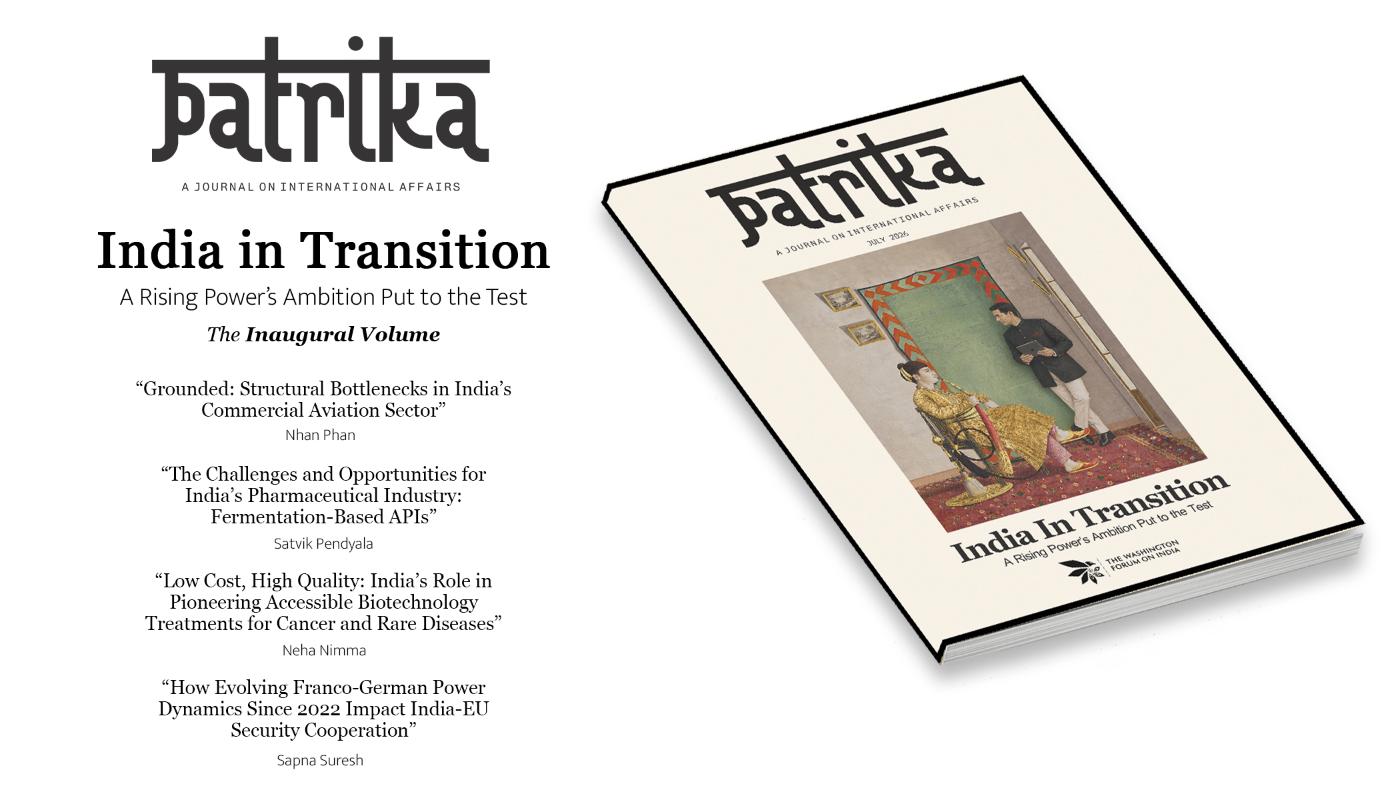
Volume 01 — India in Transition
Patrika is our student-led research journal, dedicated to thoughtful analysis of India's most pressing policy, political, economic, and strategic questions.
Shorter work, published between volumes.
Between editions of Patrika, our chapter research cohorts publish shorter pieces: interviews with practitioners, sector briefs, essays on Indian history, and analysis of developments in the US–India corridor as they happen. Each is written by students and reviewed by the editorial team. Guest writers and think tank researchers contribute as well.
Read everything on SubstackStudents who are not part of campus chapters and young professionals from around the globe can submit articles too.
Submit an article
The people who run the Forum.
The council sets strategy, supports programming, and facilitates cross-connections; chapter leaders build the community on each campus and run WFI programming there.
Chapters
Leaders identified to build communities on campus and execute WFI programming.
No chapter at your university? You are still welcome at another chapter's events, and Patrika takes contributors from any campus. Professionals and outside researchers can submit articles too. All articles that pass the editorial process are published on our substack, while select long-form articles are published semesterly in Patrika. Submit an article.
How WFI has grown.
From a handful of motivated students, with a shared interest for India and the U.S.–India story — to four campuses, a journal, and an advisory practice. Our journey, told by our founder, Aditya Goswamy.
One chapter, one question.
WFI was born from the belief that the study of India on campus was too sedentary — a course here, an event there. It never matched to how central India was becoming to the emerging world order. We wanted to close that gap.
We also wanted to connect everyone drawn to the India story, and the U.S.–India story especially, to a relationship built on shared democratic principles and one of the largest diasporas in the country — and to do it through the students who will inherit and lead that relationship next.
How the Forum grew.
 , our flagship research journal of International Affairs.
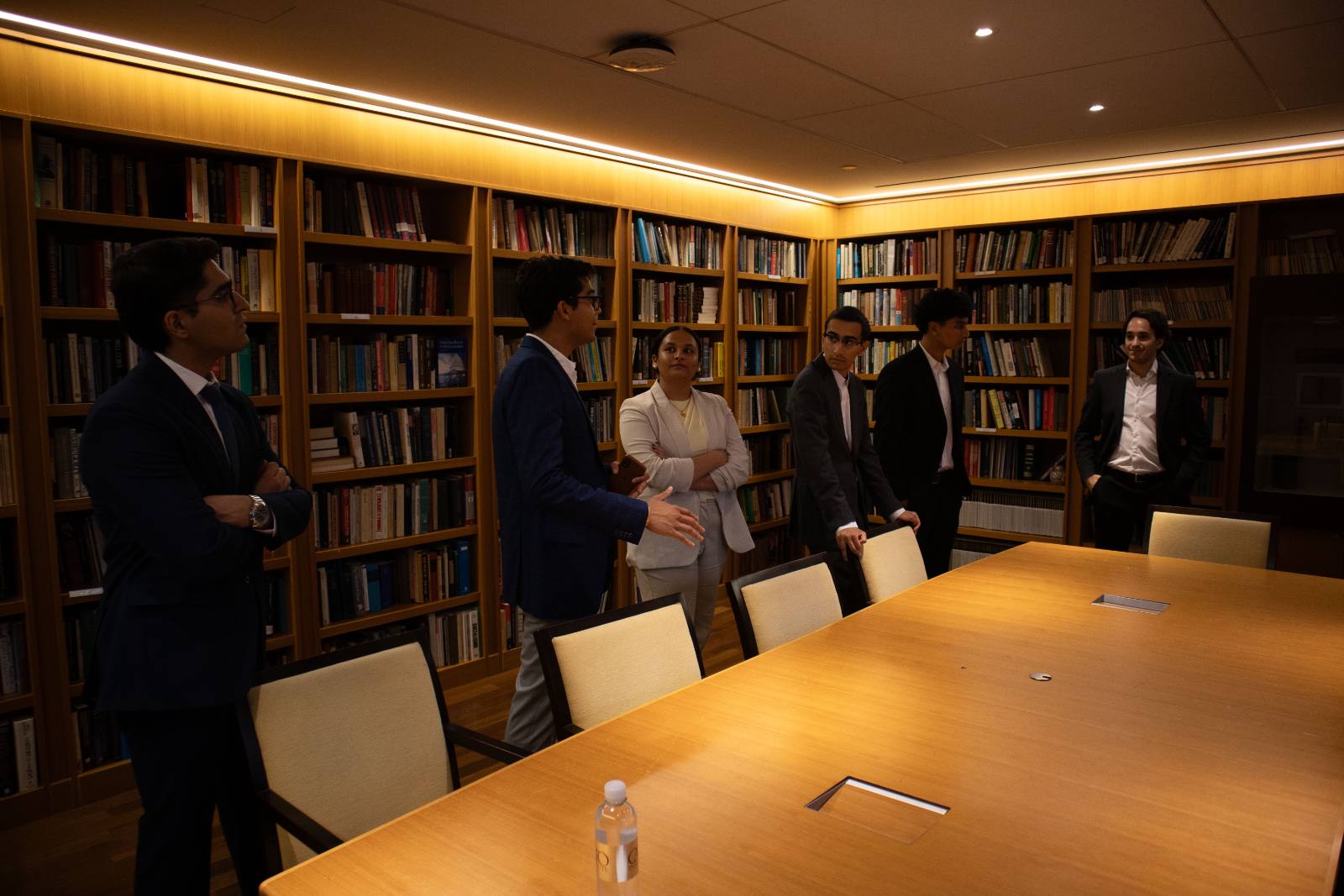
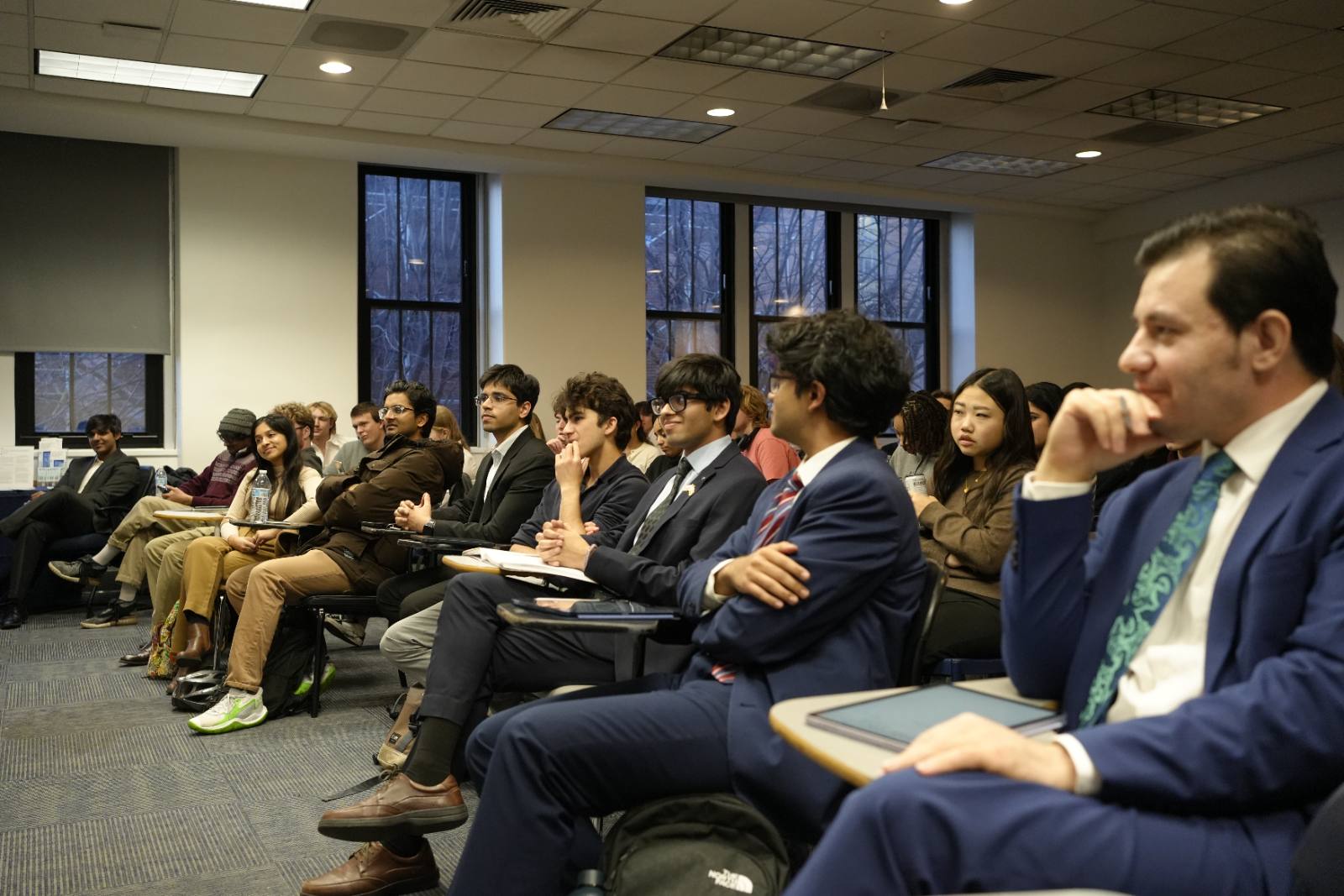
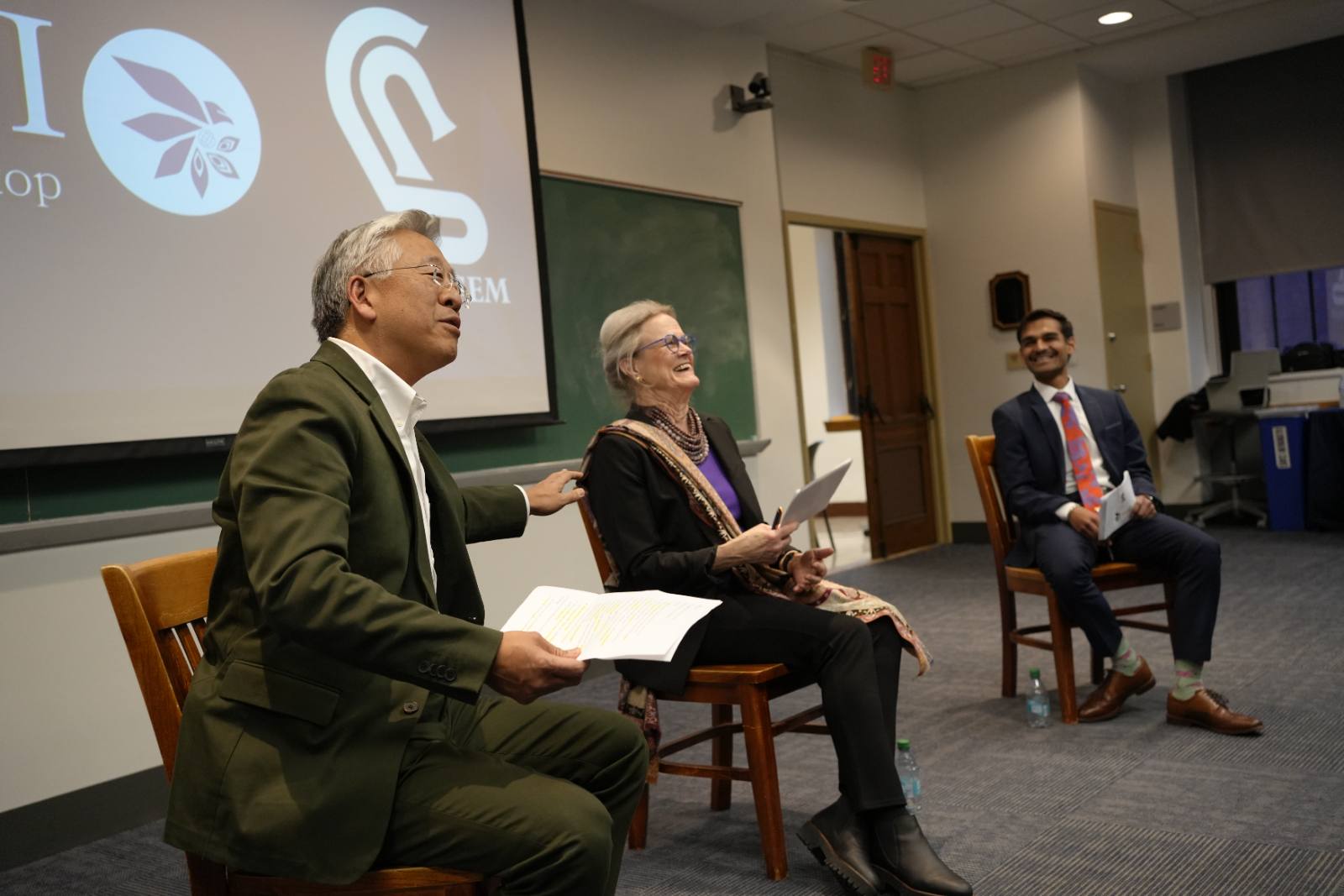
Four chapters, one research cohort per campus, and a journal that takes contributors from anywhere.
{{ s.name }}
{{ s.note }}
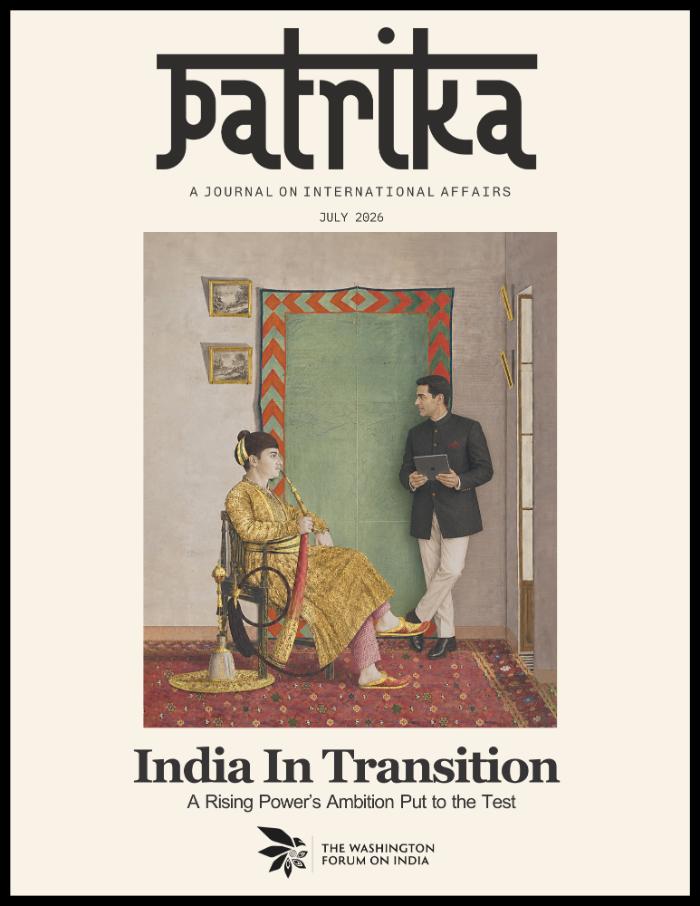
Journal of International Affairs
The first edition of a semestral long-form journal on India, written by students across our chapters alongside DC-based guest contributors and interview subjects.
Two countries, converging.
Record bilateral trade in FY2024–25, with both governments targeting $500B by 2030.
India's projected 2026 GDP growth, among the fastest of any major economy.
Indian Americans in the U.S., the country's second-largest Asian-origin community.
A relationship this consequential needs the people who'll shape its next chapter.
For the next generation strengthening the Washington–New Delhi corridor.
Members write for Patrika, staff advisory engagements, and sit in briefings with people who work on the corridor for a living. The work is cross-border by default: professional development on both sides, a network that reaches Washington and New Delhi.
Why you should be part of it